
Contemporary Haiku
12/9/20242 min read

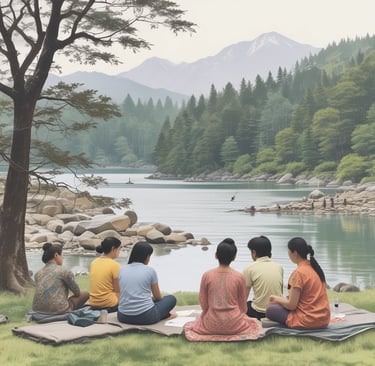
Contemporary Haiku Publications: A Global Literary Landscape
Introduction
Contemporary haiku has emerged as a dynamic and evolving poetic form, transcending its traditional Japanese origins to become a truly global literary practice. This article explores the vibrant ecosystem of haiku publications and communities that sustain and propel this unique art form in the 21st century.
The Expanding Haiku Publication Ecosystem
International Platforms
Contemporary haiku publications have created a robust global network that connects poets across continents. Key international journals play a crucial role in this ecosystem:
World Haiku Review: Serves as a premier platform for international haiku poets, facilitating cross-cultural poetic exchange.
Seashores: Provides a space for diverse voices and innovative approaches to haiku composition.
Cattails: Offers a comprehensive international haiku journal that showcases poets from various cultural backgrounds.
Under the Basho: A digital platform that highlights the contemporary evolution of haiku poetry.
Regional Publications
Complementing international journals, regional publications offer localized perspectives and support national haiku communities:
a fine line (New Zealand)
Echidna Tracks (Australia)
Blithe Spirit (Britain)
Gusts (Canada)
Acorn (United States)
These publications not only provide platforms for local poets but also contribute to the broader global haiku dialogue by presenting unique regional interpretations and sensibilities.
Organizational Support and Community Building
Haiku International Association (HIA)
Based in Tokyo, the Haiku International Association represents a critical infrastructure for the global haiku community. The organization:
Publishes a quarterly magazine titled "HI"
Maintains an informative website
Promotes international haiku initiatives
Facilitates connections between poets worldwide
Evolving Stylistic Approaches
Contemporary haiku publications demonstrate a remarkable flexibility in approach:
Haiku Journal emphasizes simplicity and aesthetic beauty
The Bamboo Hut explicitly welcomes traditional, contemporary, and experimental haiku
Many journals now accept multilingual submissions with translations
Digital Transformation
The digital age has significantly transformed haiku publication:
Online journals increase accessibility
Micro-zines and digital platforms emerge
Global submission processes become more streamlined
Social media enables immediate sharing and community engagement
Linguistic and Cultural Diversity
Publications like Ardea exemplify a commitment to linguistic diversity by accepting haiku in multiple languages, provided translations are included. This approach underscores haiku's potential as a truly global art form that transcends linguistic boundaries.
Conclusion
Contemporary haiku publications represent more than mere platforms for poetry. They are vibrant, dynamic spaces that:
Preserve poetic tradition
Encourage artistic innovation
Foster global cultural understanding
Create meaningful connections across geographical and linguistic divides
As the haiku community continues to evolve, these publications will undoubtedly play a pivotal role in shaping the future of this profound and nuanced poetic form.
Recommendations for Further Exploration
For those interested in delving deeper into contemporary haiku:
Explore multiple international and regional publications
Attend virtual or in-person haiku workshops
Engage with online haiku communities
Study the historical and cultural contexts of haiku
Note: While this overview provides insights into contemporary haiku publications, further scholarly research would offer more comprehensive understanding of current practices and emerging trends.